How to Preserve Receipts
Date: Oct 6, 2026
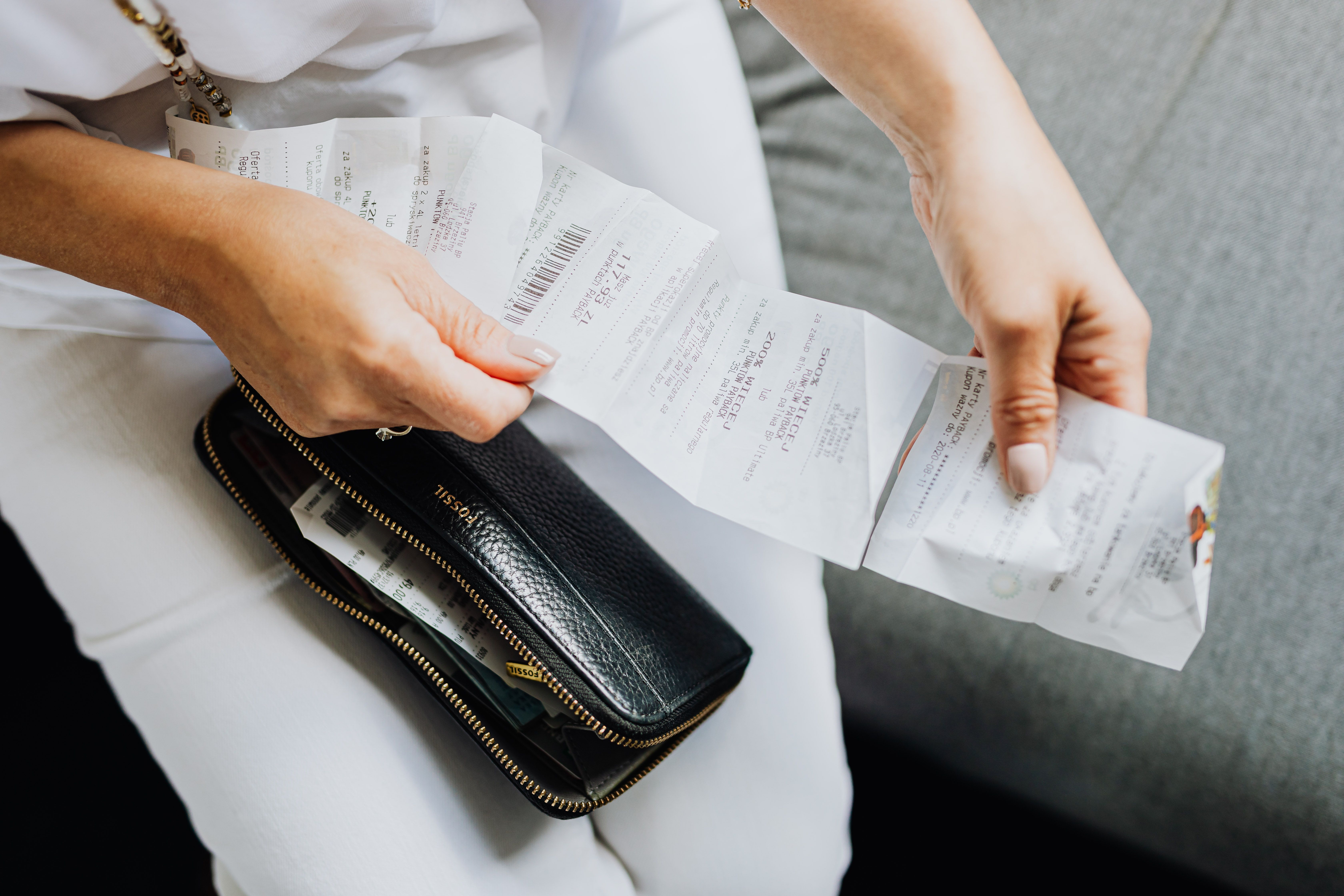
Preserving receipts protects you when you need to return an item, use a warranty, prove an expense, prepare taxes, or dispute a charge. A good receipt system should be easy enough that you will actually use it.
Tips to Preserve Receipts
- For everyday purchases, take a photo or scan the receipt as soon as possible. Thermal-paper receipts fade quickly, especially when exposed to heat, sunlight, or friction, so a digital copy is often more reliable than the original. Use a receipt scanning app, your phone’s document scanner, cloud storage, or a dedicated email folder.
- Name digital files consistently. A format such as YYYY-MM-DD_Merchant_Amount_Category makes receipts easy to find later. For example: 2026-10-01_GroceryStore_58.42_Groceries. Store them in folders by year and category, such as medical, home repairs, business expenses, charitable giving, or major purchases.
- Keep physical receipts for higher-value items, warranties, returns, vehicle repairs, home improvements, and purchases that may have tax consequences. Put them in labeled envelopes or folders and avoid storing them in hot cars, garages, or damp places.
How To Be Consistent
Make receipt preservation part of a weekly routine. Spend five minutes every Sunday scanning loose receipts, matching them to purchases, and filing them. This small habit is much easier than sorting months of paper at tax time.
For major purchases, save the receipt, warranty, serial number, and a photo of the item together. That creates a useful record for repairs, insurance claims, and resale.
Ready for a fresh approach to personal finance?
Get notified when we’re launching. Provide us with your e-mail and be the first to know when Finesse is available.